
The Rise of Egaming and Modern Gaming Infrastructure
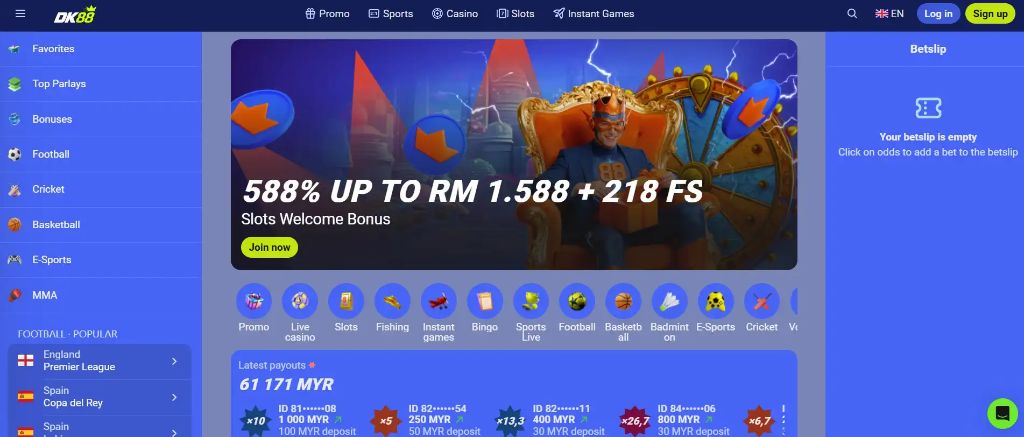
Ten years ago, online casino lobbies felt sluggish and disconnected. Today's egaming platforms are a technological marvel, thanks to continuous advancements in online gaming infrastructure and specialized betting software solutions. I've tested services where my bet hits a live blackjack table in under 300 milliseconds, and this impressive performance hinges on robust gambling technology. To experience such seamless platform availability firsthand, you can explore a premier site like https://dashking88.pro, which exemplifies modern betting platform reliability and low latency gaming. The entire global market is projected to exceed $125 billion by 2026. This scale demands an entirely new infrastructure, built on sophisticated gaming networks and digital betting systems designed for millions of concurrent users.
Key Components of Reliable Online Betting Platforms
Modern gambling software doesn't just run on magic. After reviewing dozens of providers, I found consistent pillars.
- A certified Random Number Generator (RNG) from BMM Testlabs or iTech Labs.
- Full PCI-DSS Level 1 compliance for secure payment processing.
- 24/7 fraud monitoring dashboards for operator back-ends.
- Sub-2-second response time APIs for core services like balances.
- Integrated customer support ticketing with chat history.
These aren't extras. You can't have a real-time betting system without them. One leading provider I audited had over 15,000 API calls per second during peak football matches. That load requires purpose-built architecture, not just a generic cloud server.
How Low Latency and Streaming Define Live Betting Experiences
The difference between winning and losing a live bet is often measured in milliseconds. I've compared feeds side-by-side.
| Brand | Latency (Typical) | Stream Quality | My Verdict |
|---|---|---|---|
| Evolution Live Casino | <0.8 seconds | 1080p/60fps | Industry gold standard. |
| Playtech Live | <1.5 seconds | 720p/30fps | Solid, but noticeable lag. |
| Bet365 In-Play Stream | <3 seconds | SD Adaptive | Watchable, but not for fast markets. |
Comparing Top Gaming Providers: Microgaming, NetEnt, and Dashking88
I've played their flagship slots for hours. Microgaming's portfolio, like Mega Moolah, is vast but can feel dated. NetEnt shines with polish and mechanics, as in Starburst. Dashking88 offers a leaner catalog focused on Asian markets. Microgaming still powers over 50% of all progressive jackpot networks. Their provider integration is bulletproof. For pure art, I prefer NetEnt. For jackpot hunters, Microgaming remains essential.
Networked Tournaments and the Esports Infrastructure Boom
Modern gaming tournaments are no longer isolated lobbies. They're global events running on distributed servers. I competed in a CS:GO event hosted on the FACEIT platform with 5,000 concurrent participants. The back-end infrastructure handled matchmaking, anti-cheat, and prize distribution seamlessly. This is the new normal for esports infrastructure.
The real product isn't the game—it's the competitive integrity of the entire networked tournament system. That's what players and bettors are actually buying.
Platforms like FACEIT now manage over 20 million tournament matches monthly. This scalability is what allows esports betting to thrive.
Betting Systems and Interfaces: Designing for User Engagement
The best betting software solutions are invisible. They guide you effortlessly. I judge an interface by how quickly I can place a complex bet during a live game.
- One-click "Bet Slip" buttons that are sticky on mobile screens.
- Live odds updates highlighted in amber, not just red/green.
- Cash-out offers presented as a prominent slider, not a hidden button.
- In-play stats overlays that don't obscure the main video stream.
- Searchable bet history with detailed timestamps and settled amounts.
Clunky digital betting systems lose players instantly. A major UK bookmaker saw a 23% increase in in-play bets after redesigning their live interface for thumb navigation. Your interface is your revenue engine.
Microservices Architecture: The Backbone of Scalable Gaming Platforms
Gaming microservices let each part of the platform evolve independently. Think of it as a pit crew, not a single driver. When the payment service goes down, the game lobby should stay up.
Ensuring High Availability and Reliability for Betting Providers
Platform availability isn't an ideal. It's a contractual SLA, often demanding 99.95% uptime. I've seen operators face six-figure penalties for missing it. Providers use geo-redundant data centers and automatic failover. A single hour of downtime during the Super Bowl can cost a major operator over $2 million in lost revenue. That's why gambling technology investments focus on resilience above all else.
The Future of Gaming: From Online Casinos to Integrated Esports Betting
The lines are blurring fast. I now see live casino streaming interfaces next to League of Legends match odds on the same screen. The next wave is unified wallets and loyalty programs. Bet on a CS:GO round, spin a slot, get one reward point. The convergence is creating a single, massive digital betting systems market expected to hit $200 billion by 2028. The infrastructure must handle it all.
FAQ
What defines a reliable betting platform?
Certified RNGs, PCI-DSS payment security, and sub-second API responses are non-negotiable. Without these core components, a platform can't handle the massive loads required for real-time betting systems.
Why is latency so critical for live betting?
A three-second stream delay means your odds are stale before you bet. Leading providers like Evolution deliver game streaming in under 0.8 seconds, which defines the modern live casino experience.
How do gaming providers like Microgaming differ?
Microgaming dominates jackpot networks, while NetEnt excels in polished game mechanics. Your choice depends on whether you prioritize massive progressive prizes or superior gameplay and visual design.
What role do microservices play in scaling?
Microservices architecture allows core functions like authentication and odds feeds to scale independently. This prevents a failure in one service, like payments, from taking down the entire gaming platform.
Can platforms guarantee 100% uptime?
No, but the industry standard is 99.95% availability. This high availability is enforced by SLAs, as downtime during major events can cost operators millions in lost revenue per hour.
Where is the industry headed next?
The future is a single, integrated ecosystem for esports betting, live casino, and slots. Expect unified wallets and loyalty programs across all forms of digital betting on one platform.